Banff National Park
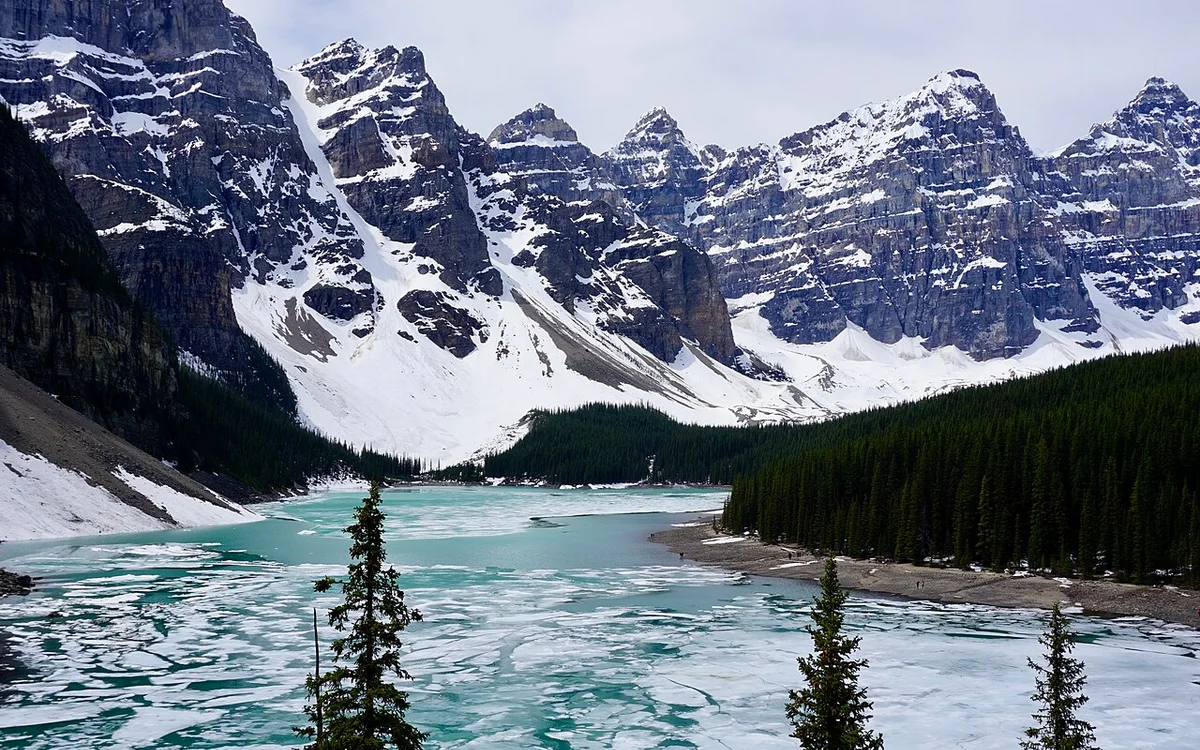
Luminous turquoise glacial lakes reflecting snow-capped Rocky Mountain peaks and pristine wilderness.
Geographic Essence & What Makes It Unique
Established in 1885 as Canada's premier national park, Banff encompasses over 6,600 square kilometers of awe-inspiring Rocky Mountain topography. The park is globally famous for its vivid, almost surreal turquoise glacial lakes—such as Moraine Lake and Lake Louise—whose distinct coloration stems from microscopic "rock flour" suspended in glacial meltwater. Along the Icefields Parkway, one of the world's most scenic highways, ancient glaciers tumble down sheer limestone cirques.
Concrete Landmarks & Terrains to Explore
Moraine Lake
World-renowned glacial lake set in the rugged Valley of the Ten Peaks, celebrated for its intense azure hue.
Lake Louise
Iconic turquoise lake backdropped by Mount Victoria and Victoria Glacier, featuring historic lakeside tea houses.
Icefields Parkway
A 232-kilometer scenic highway connecting Lake Louise to Jasper through soaring mountain passes and roadside glaciers.
Johnston Canyon
Deep limestone gorge traversed via cantilevered walkways leading past roaring lower and upper waterfalls.
Core Exploration Experiences
- Canoe across the vibrant turquoise waters of Lake Louise and Moraine Lake surrounded by glacier-clad peaks.
- Drive the world-famous Icefields Parkway (Highway 93) past glaciers and cascading waterfalls.
- Hike the Plain of Six Glaciers or Sentinel Pass trail for jaw-dropping vistas above alpine valleys.
- Spot wildlife safely from a distance, including elk grazing in valley meadows and bighorn sheep on rocky slopes.
Seasonality & Optimal Travel Months
Late June through September offers thawed turquoise lakes and open alpine hiking trails. July and August have peak wildflowers. December to March transforms the park into a world-class winter ski wonderland.
Balanced Editorial Assessment
Key Advantages
- Spectacular and instantly recognizable alpine landscapes with accessible trailheads.
- Excellent roadway infrastructure, well-maintained visitor centers, and comprehensive trail signage.
- Active year-round destination with both warm-weather hiking and cold-weather skiing.
Drawbacks & Real Challenges
- Private vehicles are prohibited on Moraine Lake Road; advance Parks Canada shuttle reservations are mandatory.
- Significant tourist congestion and parking shortages around Lake Louise between June and September.
- Mountain weather can change abruptly; snowstorms can occur even in early June or late September.
Field Notes & Planning Intelligence
- Book Parks Canada lake shuttles on the official reservation launch date in spring to secure desired departure times.
- Carry bear spray in an accessible holster and understand wildlife safety protocols when hiking.
- Purchase the Parks Canada Discovery Pass if staying more than a few days across multiple national parks.
Comparable Geographic Alternatives
Verified Research Sources
This profile was verified using records from primary government, conservation, and meteorological bodies.
- Parks Canada — Park passes, wilderness backcountry permits, grizzly bear safety advisories, and Moraine Lake transit shuttles.
- UNESCO World Heritage Centre — Outstanding universal value for glacial features, peaks, canyons, and fossil beds.
- Environment and Climate Change Canada — Subarctic alpine seasonal meteorological data and avalanche safety ratings.