Dolomites
Towering pale limestone spires and historic alpine high routes above emerald valleys.
Geographic Essence & What Makes It Unique
What separates the Dolomites from any other alpine range is their dramatic fossilized coral reef morphology and the legendary "Enrosadira"—the optical phenomenon that sets these vertical rock walls ablaze with rose and gold at sunset. With an unparalleled network of mountain huts (rifugi) and via ferratas built into ancient military trails, travelers move through wild vertical topography with European hospitality at day's end.
Concrete Landmarks & Terrains to Explore
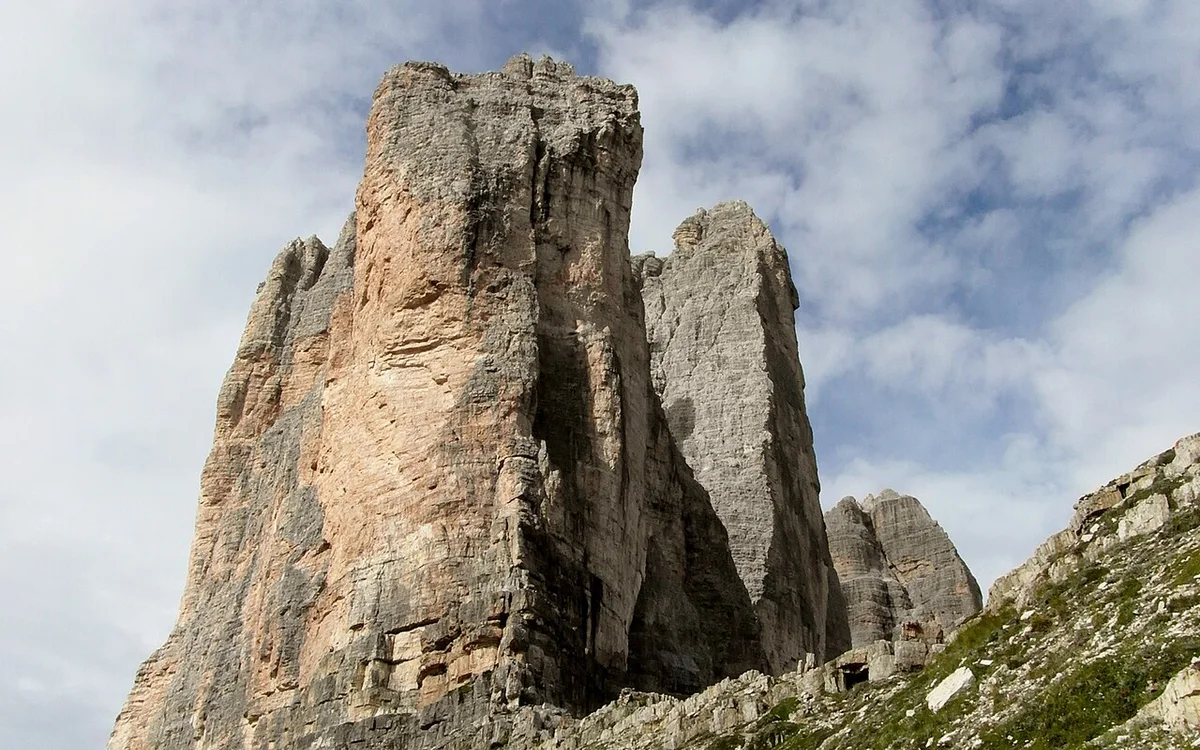
Tre Cime di Lavaredo
Three immense freestanding limestone battlement towers representing the geological emblem of the Sesto Dolomites.
Seceda Ridgeline
A dramatic razor-edge grass crest dropping abruptly into an 800-meter vertical sheer cliff face overlooking Val Gardena.
Lago di Braies (Pragser Wildsee)
Glacial turquoise alpine lake surrounded by sheer dolomite cliffs at the northern portal of the Alta Via.
Alpe di Siusi (Seiser Alm)
Europe's largest high-altitude alpine meadow, carpeted in wildflowers beneath the Sassolungo peak.
Core Exploration Experiences
- Traverse the Alta Via 1 high-altitude trekking route linking high passes between Braies and Belluno.
- Climb classic protected iron ways (via ferratas) such as the Ivano Dibona on Monte Cristallo.
- Witness sunrise at the Tre Cime di Lavaredo ridgeline before tour crowds arrive.
- Sample Ladin alpine gastronomy combining Tyrolean dumplings and Italian mountain cheeses at high rifugi.
Seasonality & Optimal Travel Months
June through late September offer open mountain huts and clear trails. July and August have optimal wildflower blooms but bring afternoon thunderstorms and heavy vehicle traffic.
Balanced Editorial Assessment
Key Advantages
- World-class hiking infrastructure with manned rifugi serving hot meals and beds.
- Accessible mountain scenery via modern cableways and well-marked public transit buses.
- Distinctive Ladin, German, and Italian cultural fusion across mountain valleys.
Drawbacks & Real Challenges
- Severe valley road congestion and parking bottlenecks around popular trailheads during August peak.
- Sudden severe alpine thunderstorms can make high via ferratas and ridges hazardous in mid-afternoon.
- Most high-altitude rifugi close firmly between mid-October and late May.
Field Notes & Planning Intelligence
- Book rifugi reservations 4 to 6 months in advance if attempting multi-day high routes.
- Use early morning transit shuttles to Tre Cime and Braies to avoid mandatory vehicle quota lockouts.
- Pack certified climbing helmets and via ferrata lanyards if tackling secured rock ridges.
Comparable Geographic Alternatives
Verified Research Sources
This profile was verified using records from primary government, conservation, and meteorological bodies.
- UNESCO World Heritage Centre — Geological boundary definitions and universal value criteria (vii, viii).
- Dolomiti Bellunesi National Park Administration — Trail safety, rifugi seasonal opening schedules, and transit regulations.
- Servizio Meteorologico dell'Aeronautica Militare — Alpine historical precipitation and summer thunderstorm statistics.