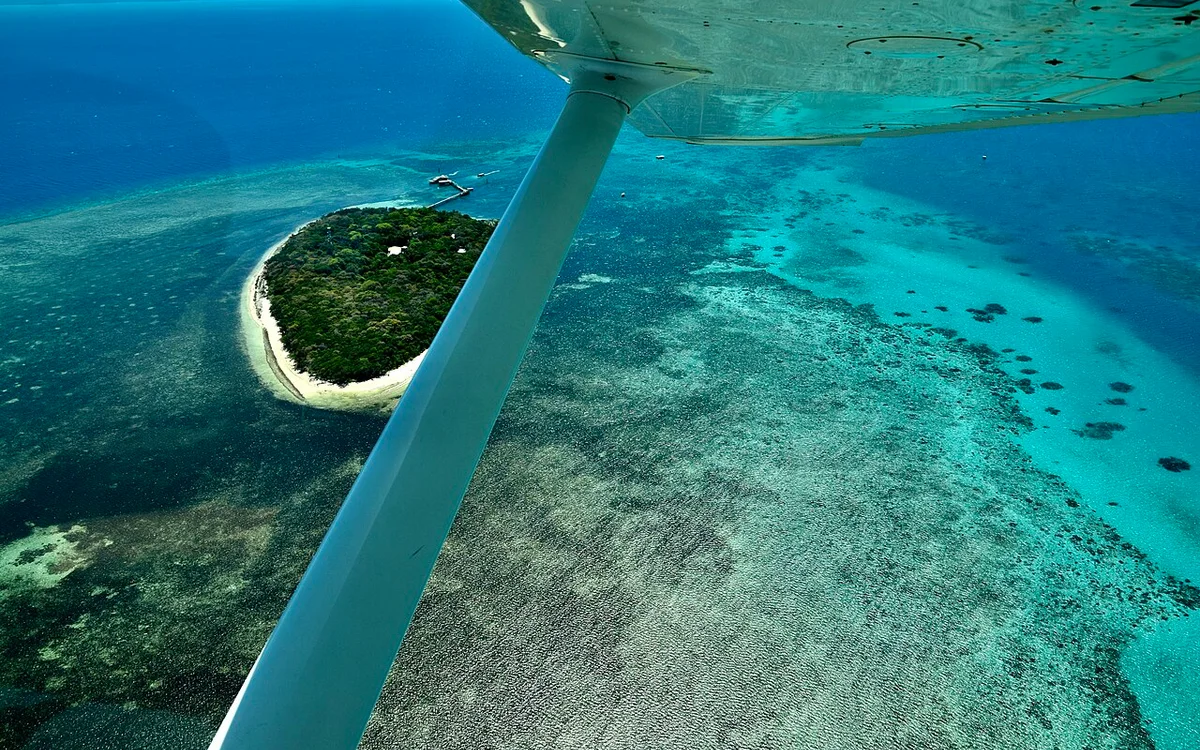
Great Barrier Reef
The largest living structure on Earth, stretching 2,300 kilometers along the Australian northeast coast.
Geographic Essence & What Makes It Unique
Visible even from space, the Great Barrier Reef is Earth's most monumental biological construction. Stretching 2,300 kilometers along Queensland's coastline, this colossal complex of nearly 3,000 individual reefs and 900 continental islands shelters an extraordinary marine metropolis: 1,500 fish species, 400 types of coral, six of the world's seven marine turtle species, and thirty cetacean species. From outer barrier reefs with 1,000-meter drop-offs to secluded sand cays, it represents an aquatic world without equal.
Concrete Landmarks & Terrains to Explore
Heart Reef (Hardy Reef)
A naturally formed heart-shaped coral composition situated in Hardy Reef, best viewed from a helicopter or seaplane.
Whitehaven Beach
A seven-kilometer stretch of 98% pure white silica sand that does not retain heat, shifting with Hill Inlet tides.
Lady Elliot Island
A southern coral cay located in a highly protected Green Zone, revered as the premier manta ray and turtle diving destination.
Agincourt Reef
Series of pristine ribbon reefs running parallel to the continental shelf edge off Port Douglas.
Core Exploration Experiences
- Snorkel or scuba dive the vibrant outer barrier reefs like Agincourt Ribbon Reef or Hardy Reef.
- Take a scenic flight above the Whitsunday Islands and the world-famous natural Heart Reef formation.
- Sail on a catamaran through the 74 Whitsunday Islands and anchor beside Whitehaven Beach's silica sands.
- Witness green and loggerhead turtle nesting and hatching on coral cays like Heron or Lady Elliot Island.
Seasonality & Optimal Travel Months
May through October (the dry winter season) brings calm seas, pleasant temperatures around 25°C, high water visibility, and minimal rainfall. Summer (December–March) is hot, humid, and is stinger season.
Balanced Editorial Assessment
Key Advantages
- The largest and most iconic coral reef system in the world.
- Superb marine safety standards, high-speed modern vessels, and certified marine biologist guides.
- Exceptional variety of coral cays, luxury island resorts, and mainland coastal gateways.
Drawbacks & Real Challenges
- Summer months (November to May) require wearing protective stinger suits due to dangerous box jellyfish and Irukandji.
- Boat transit to the pristine outer reef takes between 90 minutes and 2 hours each way across open ocean.
- Climate change and coral bleaching events have impacted shallow inshore sections; visiting outer reefs is critical.
Field Notes & Planning Intelligence
- Select certified "Eco Certified" operators that travel to the edge of the continental shelf (outer ribbon reefs).
- Wear a full-body lycra stinger suit when swimming, especially if visiting between November and May.
- Take motion sickness precautions if prone to seasickness before the open ocean boat transit.
Comparable Geographic Alternatives
Verified Research Sources
This profile was verified using records from primary government, conservation, and meteorological bodies.
- Great Barrier Reef Marine Park Authority (GBRMPA) — Environmental management charge, reef zoning maps, and master reef guide certified operators.
- Australian Institute of Marine Science (AIMS) — Annual coral condition monitoring reports and temperature anomaly warnings.
- Bureau of Meteorology Australia (BOM) — Coral Sea tropical cyclone activity and coastal marine wind and visibility forecasts.