Kyoto
The imperial heart of classical Japan, with two thousand sanctuaries, rock gardens, and bamboo groves.
Geographic Essence & What Makes It Unique
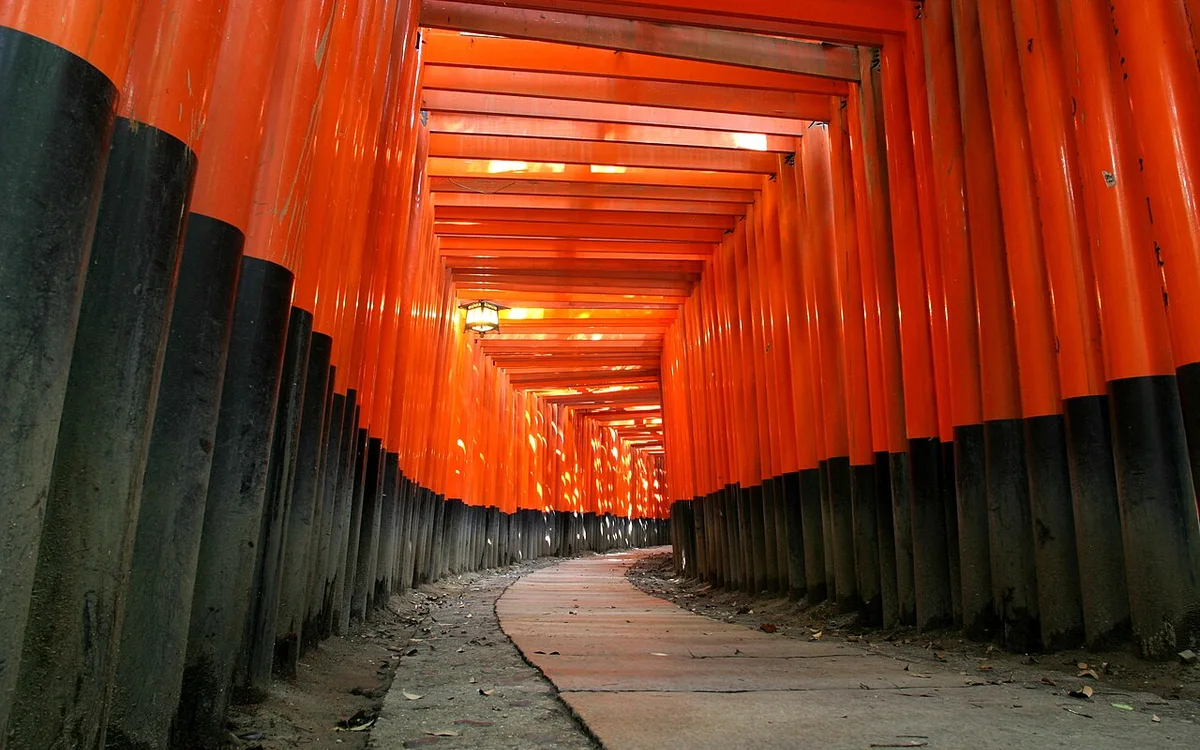
Serving as Japan's imperial capital for over a millennium until 1868, Kyoto preserved its architectural legacy from wartime destruction, guarding over two thousand Buddhist temples, Shinto shrines, and imperial villas. Beyond the visual poetry of vermilion torii gates winding through Mount Inari and dry landscape gardens designed for Zen meditation, Kyoto remains the living cradle of traditional arts—from the intricate tea ceremony to geiko culture in preserved machiya districts.
Concrete Landmarks & Terrains to Explore
Fushimi Inari-taisha
Sacred Shinto shrine dedicated to the god of rice and commerce, whose forested mountain path is framed by over 10,000 red gates.
Kinkaku-ji (The Golden Pavilion)
A Zen temple whose top two floors are completely leafed in pure gold foil, casting brilliant reflections over Kyōko-chi pond.
Kiyomizu-dera
Ancient temple perched high on Mount Otowa, noted for its wooden stage constructed entirely without a single nail.
Arashiyama Bamboo Grove
A soaring natural corridor of towering green bamboo stalks that clatter softly in the mountain breeze.
Core Exploration Experiences
- Walk through the thousands of vermilion torii gates of Fushimi Inari-taisha at dawn.
- Contemplate the gravel ripples and fifteen moss-ringed boulders of Ryōan-ji dry landscape Zen garden.
- Stroll the stone-paved alleys of Gion and Ninenzaka past preserved wooden machiya townhouses.
- Experience seasonal night temple illuminations amid crimson Japanese maples during autumn koyo.
Seasonality & Optimal Travel Months
Late March to mid-April brings the ethereal sakura (cherry blossoms); late October through November offers vibrant red maples. May and October provide pleasant walking temperatures.
Balanced Editorial Assessment
Key Advantages
- Unrivaled density of historical and cultural monuments protected under UNESCO World Heritage.
- Extremely safe, clean, and pedestrian-friendly streets served by precise trains and buses.
- Exceptional seasonal beauty that redefines the city in spring blossoms, summer greens, and autumn reds.
Drawbacks & Real Challenges
- Heavy international and domestic tourist overcrowding at headline sites like Fushimi Inari and Arashiyama.
- Midsummer (July–August) is intensely hot, muggy, and subject to monsoon humidity.
- Buses can get stuck in peak traffic; early morning exploration is essential to avoid bottlenecks.
Field Notes & Planning Intelligence
- Visit Fushimi Inari and Arashiyama before 7:30 AM to experience their sacred calm without dense crowds.
- Purchase an IC transport card (ICOCA/Suica) for seamless tapping on city buses and subways.
- Reserve accommodations at least 6 months ahead if visiting during peak spring sakura or November foliage.
Comparable Geographic Alternatives
Verified Research Sources
This profile was verified using records from primary government, conservation, and meteorological bodies.
- Kyoto City Tourism Association (DMO KYOTO) — Congestion forecast monitors, respectful temple manners, and night illumination schedules.
- UNESCO World Heritage Centre — Seventeen inscribed temple, shrine, and castle locations representing wooden architecture zenith.
- Japan Meteorological Agency (JMA) — Official cherry blossom (sakura) and autumn leaf (koyo) seasonal reporting.