Oaxaca
The cultural and gastronomic capital of southern Mexico, rooted in indigenous Zapotec and Mixtec heritage.
Geographic Essence & What Makes It Unique
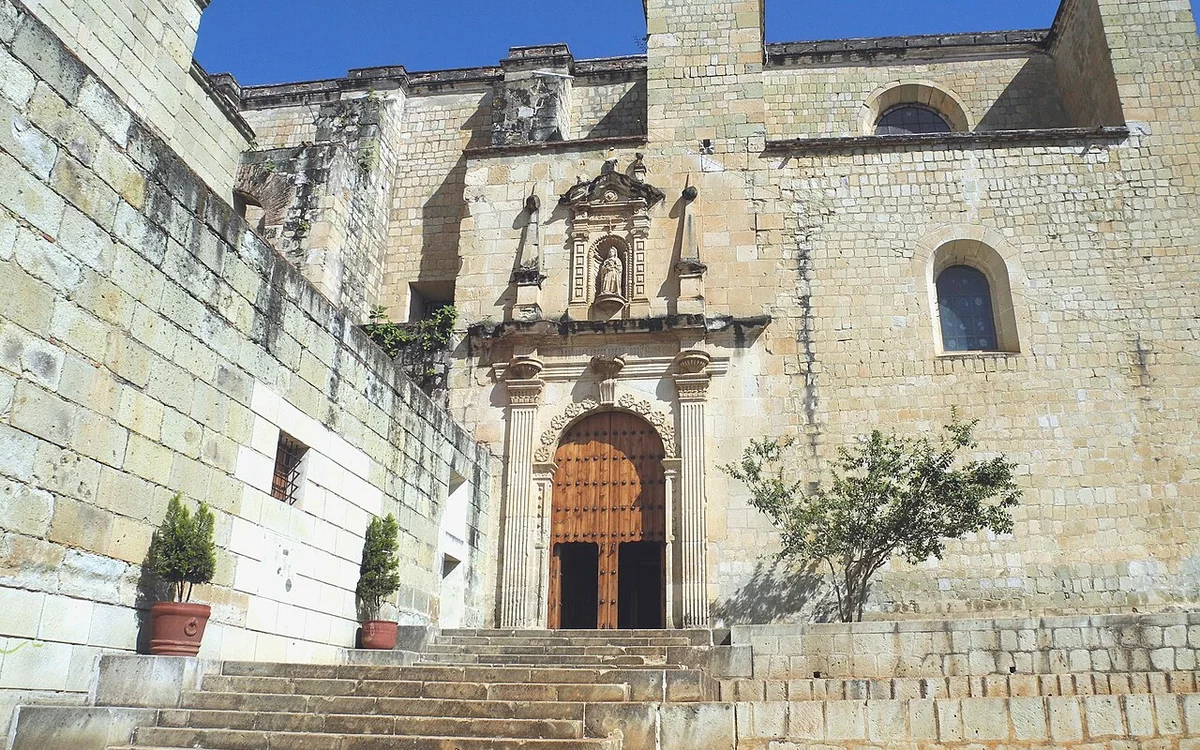
Cradled in a high mountain valley at 1,550 meters elevation, Oaxaca is Mexico's cultural soul. The city blends green quarry-stone colonial architecture with deep indigenous roots: 16 officially recognized indigenous groups maintain ancient languages, weaving traditions, and culinary wisdom. Renowned as the birthplace of mezcal and the land of the seven moles, Oaxaca pairs sophisticated market dining with the awe-inspiring archaeological ruins of Monte Albán perched atop a flattened mountaintop.
Concrete Landmarks & Terrains to Explore
Templo de Santo Domingo de Guzmán
Stunning baroque church featuring a golden family tree ceiling and attached regional museum housed in a former monastery.
Monte Albán
Colossal Zapotec capital leveled into a mountain summit commanding 360-degree views across the three Central Valleys.
Hierve el Agua
Set of petrified calcified waterfalls and natural cliffside mineral pools overlooking rugged mountain ravines.
Mercado 20 de Noviembre
Bustling traditional market famous for the smoke alley (Pasillo de Humo) grilling tasajo, cecina, and chorizo.
Core Exploration Experiences
- Explore the sprawling ceremonial plaza and astronomical observatories of Monte Albán at sunrise.
- Taste ancestral culinary specialties across Mercado 20 de Noviembre and Mercado Benito Juárez.
- Visit traditional artisan craft villages: black clay in San Bartolo Coyotepec and alebrijes in San Martín Tilcajete.
- Sample artisanal wild agave mezcals at a traditional palenque in the Santiago Matatlán valley.
Seasonality & Optimal Travel Months
October through April brings dry, sunny days and comfortable evening temperatures. Late October/early November hosts unforgettable Día de los Muertos celebrations (requires booking far ahead).
Balanced Editorial Assessment
Key Advantages
- One of the deepest and most vibrant culinary cultures anywhere on the globe.
- Remarkable living indigenous artisan traditions producing world-class textiles, pottery, and wood carving.
- Walkable, safe, and architecturally captivating historic center built of green cantera stone.
Drawbacks & Real Challenges
- Winding, mountainous roads connecting the central valley to coastal regions can cause motion sickness.
- Occasional peaceful civic marches or teacher union demonstrations can temporarily redirect street traffic.
- Extreme demand and inflated accommodation rates during the Days of the Dead (late October–early November).
Field Notes & Planning Intelligence
- Visit Monte Albán when it opens at 8:00 AM to avoid the midday sun and tourist bus arrivals.
- Take an organized mezcal tasting to understand traditional ancestral and artisanal distillation methods.
- Carry local cash (Mexican pesos) for market food stalls and artisan purchases in craft villages.
Comparable Geographic Alternatives
Verified Research Sources
This profile was verified using records from primary government, conservation, and meteorological bodies.
- Secretaría de Turismo del Estado de Oaxaca (SECTUR Oaxaca) — Official artisan route registries, community ecotourism guides, and cultural event calendars.
- Instituto Nacional de Antropología e Historia (INAH) — Monte Albán and Mitla archaeological site preservation records and Zapotec architectural data.
- Servicio Meteorológico Nacional de México (SMN) — Central valley dry season statistics showing consistent pleasant daytime temperatures.