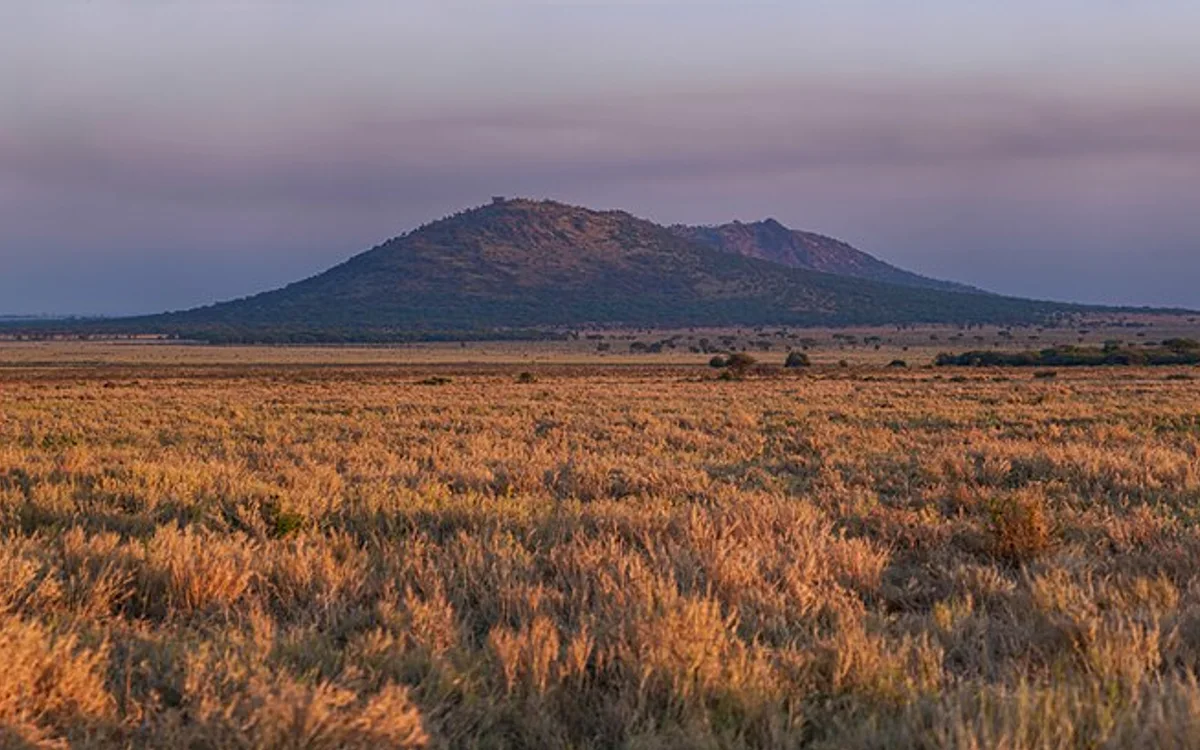
Serengeti
Endless golden grasslands staging the greatest wildlife migration spectacle on Earth.
Geographic Essence & What Makes It Unique
Derived from the Maasai word "Siringet"—meaning "the place where the land moves on forever"—the Serengeti encompasses nearly 15,000 square kilometers of pristine savannah ecosystem. Here, over 1.5 million blue wildebeest, 250,000 zebras, and hundreds of thousands of gazelles follow seasonal rains in an unending, ancient circular migration. Alongside them lives Africa's highest concentration of apex predators: lions resting upon granite kopjes, cheetahs scanning the open plains, and leopards draped over acacia branches.
Concrete Landmarks & Terrains to Explore
Mara River (Northern Serengeti)
The theatrical stage for dramatic seasonal river crossings where millions of grazers head toward the Maasai Mara.
Seronera Valley
Central river basin with permanent waterholes providing reliable year-round sightings of leopards, lions, and hippos.
Moru Kopjes
Towering granite outcrop islands dotting the plains, home to ancient Maasai rock paintings and rare black rhinos.
Ndutu Plains
Fertile volcanic southern plains where vast herds gather between January and March for synchronized calving.
Core Exploration Experiences
- Witness the heart-stopping Mara River crossings where herds brave Nile crocodiles and swift currents.
- Take a sunrise hot air balloon flight drifting silently above vast savannah herds and winding acacia rivers.
- Track lion prides and cheetah coalitions across the central Seronera Valley and granite Moru Kopjes.
- Experience the calving season in southern Ndutu, when thousands of wildebeest calves are born each day in February.
Seasonality & Optimal Travel Months
Late June to October brings the dry season and famous Mara River crossings. January to March is exceptional for the calving season in the southern plains. April and May experience heavy "long rains".
Balanced Editorial Assessment
Key Advantages
- The most intact and abundant large mammal ecosystem on planet Earth.
- Unmatched photographic opportunities with predators interacting directly in their natural habitats.
- Experienced Tanzanian naturalist guides with deep understanding of animal behaviors and habitats.
Drawbacks & Real Challenges
- Very high overall financial cost compared to casual holiday destinations.
- Congestion of safari vehicles can gather around high-profile predator sightings in central areas.
- Bumpy "African massage" gravel tracks require patience and tolerance for physical movement.
Field Notes & Planning Intelligence
- Coordinate the booking location of your safari camp with the specific seasonal position of the migration herds.
- Pack neutral-toned clothing (khaki, beige, olive) and avoid dark blue or black, which attract tsetse flies.
- Bring high-quality binoculars (8x42 or 10x42) and a camera with a telephoto lens (at least 300–400mm).
Comparable Geographic Alternatives
Verified Research Sources
This profile was verified using records from primary government, conservation, and meteorological bodies.
- Tanzania National Parks Authority (TANAPA) — Park conservation tariffs, designated wildlife tracks, and safari operator licensing.
- UNESCO World Heritage Centre — Criteria (vii, x) documenting the largest surviving terrestrial mammal migration in the world.
- Tanzania Meteorological Authority (TMA) — Seasonal rainfall cycles dictating the timing of wildebeest movements between north and south.